

Are Chestnut Mushrooms Worth Cooking With?
Last Updated: October 28, 2026
Quick Summary
Yes, chestnut mushrooms are worth cooking with. They have a nutty, earthy taste and a firm texture that holds its shape well, so they work in soups, risotto, pasta, roasting and grilling.
- Chestnut mushrooms have a nutty, earthy taste and firm texture.
- They hold their shape well during cooking.
- Pair them with butter, garlic and fresh herbs such as thyme or rosemary.
- Wipe them clean rather than soaking, since they are mostly water.
- Salt after browning, not before, so they caramelize instead of steaming.
Table of Contents
- What Chestnut Mushrooms Taste Like and Why Cooks Reach for Them
- How to Cook Chestnut Mushrooms: Prep, Timing and Doneness Cues
- Chestnut Mushroom Recipes for Soups, Stews and Risotto
- Chestnut Mushroom Pasta and Sauces
- Roasted, Grilled and Warm Salad Uses for Chestnut Mushrooms
- Chestnut Mushroom Flavor Pairings: Butter, Garlic, Herbs and Cheese
- Storing Chestnut Mushrooms and Cooking Your First Batch This Week
- Frequently Asked Questions
What Chestnut Mushrooms Taste Like and Why Cooks Reach for Them
Chestnut mushrooms have a nutty, earthy taste and firm texture. They’re a versatile ingredient that adds depth to a meal.
Chestnut mushrooms have a firm texture and hold their shape well during cooking.
Chestnut mushrooms have a nutty, earthy taste and work well in vegetarian dishes. They also pair well with butter, garlic, and fresh herbs.
Why cooks reach for them:
- Nutty, earthy flavor
- Firm texture
- Versatile for a wide variety of dishes
How to Cook Chestnut Mushrooms: Prep, Timing and Doneness Cues
Most recipes tell you to "sauté the mushrooms" and stop there. The difference between rubbery, watery chestnut mushrooms and deeply browned ones comes down to four variables: how you clean them, how thick you cut them, how hot the pan is, and when you add salt. Here is the working method.
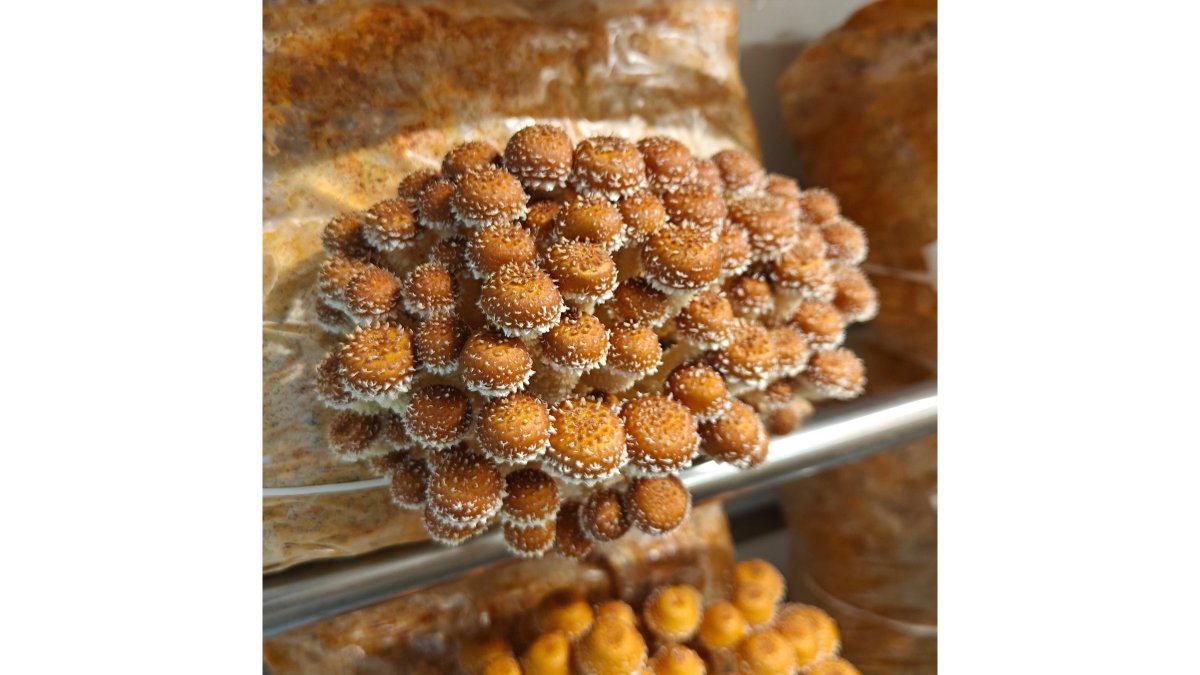
Cleaning without waterlogging
Chestnut mushrooms are mostly water, roughly 90 percent by weight, so any water you add to the surface has to cook off before browning can begin. Skip the colander rinse. Instead:

- Wipe each cap and stem with a damp paper towel or a soft mushroom brush.
- Trim only the dry, darkened bottom of the stem; the rest of the stem is edible and holds flavor.
- If the caps are gritty, wipe rather than soak. A 30-second rinse is survivable if you dry them thoroughly and give the pan an extra minute.
Slicing for the dish, not the knife
Cut thickness controls texture more than cooking time does.
- Soups and stews: quarter or cut into 1/2-inch chunks so pieces hold shape through a 20- to 30-minute simmer.
- Pasta and risotto: slice 1/4 inch thick so they fold into the sauce and brown quickly.
- Roasting and grilling: leave small caps whole and halve large ones; anything thinner than 1/2 inch will shrivel before it caramelizes.
- Warm salads: slice 1/4 inch and sear hard so the slices stay meaty rather than limp.
Pan heat and batch size
The single biggest cause of soggy mushrooms is overcrowding. A 12-inch skillet comfortably browns about 8 ounces of sliced mushrooms at a time; a pound needs two batches or a wider pan. Heat the pan over medium-high for 2 to 3 minutes before adding fat, then add enough oil or butter to coat the bottom thinly, about 1 tablespoon per 8 ounces.
Add the mushrooms in a single layer and leave them alone for the first 2 minutes. They will release liquid, then reabsorb it, then start to brown. Stirring too early drops the pan temperature and steams them instead.
Method-specific timings and doneness cues
| Method | Heat | Time | Doneness cue |
|---|---|---|---|
| Sauté, 1/4-inch slices | Medium-high | 6-8 minutes | Edges are golden, pan is nearly dry, slices feel tender when pierced |
| Sauté, 1/2-inch chunks | Medium-high | 10-12 minutes | Deep brown on two sides, firm but yielding center |
| Roast, halved, 425°F | Oven | 18-22 minutes | Shriveled edges, caramelized undersides, no pooling liquid on the sheet |
| Grill, thick skewers | Medium-high direct | 8-10 minutes, turning once | Charred spots, slight give when pressed |
| Simmer in soup or stew | Low | 15-20 minutes | Tender but intact; a fork slides in with slight resistance |
A common pattern among home cooks is to pull mushrooms off the heat the moment they look wet and shiny. That shine is usually released moisture, not doneness. Wait for the pan to go quiet and the edges to crisp, that is the signal to stop.
Adding mushrooms to soups and stews
Brown the mushrooms separately in a skillet first, then stir them into the pot in the last 10 to 15 minutes of cooking. Browning first builds flavor compounds that a simmer alone will not produce, and adding them late keeps their texture from turning to mush during a long cook.
Chestnut Mushroom Recipes for Soups, Stews and Risotto
Chestnut mushrooms have an earthy flavor.
- Creamy mushroom soup: Sauté sliced chestnut mushrooms with onion and garlic, then simmer in vegetable stock and blend until smooth.
- Hearty mushroom stew: Brown chunks of mushroom with carrots, potatoes, and thyme, then simmer until the vegetables are tender.
- Mushroom risotto: Cook sliced mushrooms separately until golden, then fold them into arborio rice at the end.
Buy fresh chestnut mushrooms from our product page when you are ready to cook. For a broader mix of textures in soups and stews, our fresh gourmet mushroom range offers more options to pair with them.
Chestnut Mushroom Pasta and Sauces
Chestnut mushrooms are suitable for pasta dishes.
For more ideas on mushroom-based pasta and sauces, read our recipe article on oyster mushroom dishes.
Roasted, Grilled and Warm Salad Uses for Chestnut Mushrooms
Chestnut mushrooms are suitable for roasting and grilling.
Chestnut Mushroom Flavor Pairings: Butter, Garlic, Herbs and Cheese
Chestnut mushrooms pair well with butter, garlic, and fresh herbs such as thyme or rosemary.
For more mushroom varieties that suit rich, savory pairings like these, see our guide to mushrooms for plant-based cooking.
Storing Chestnut Mushrooms and Cooking Your First Batch This Week
Chestnut mushrooms are perishable and mostly water, so how you handle them between the store and the pan determines whether they brown or turn slimy. This section covers selection, storage, spoilage signs, and a simple first-batch plan.
Selecting fresh mushrooms at the store
Look for caps that are firm, dry, and evenly colored, a warm tan to chestnut brown. The gills under the cap should be visible but tight, not spread wide and dark. Avoid packages with condensation on the inside of the film; that moisture is already shortening shelf life. A closed, intact cap with a clean stem end is a better sign than a large, flat cap, which is older.
Storage that actually works
- Keep them dry. Do not rinse before storing. Moisture on the surface is the main driver of spoilage.
- Use a paper bag or a breathable container. A paper bag absorbs surface moisture while letting air move. If you use a plastic container, leave the lid cracked or line it with a paper towel and change the towel if it gets damp.
- Refrigerate, don't freeze fresh. Store in the main compartment at roughly 34-40°F. Fresh chestnut mushrooms keep about 5 to 7 days in a paper bag, less if they were already damp at purchase.
- Keep them away from strong odors. Mushrooms absorb smells; store them apart from onions and garlic.
- Freeze only after cooking. Raw mushrooms turn mushy when frozen because of their water content. Sauté or roast them first, cool, then freeze in portions for up to 3 months.
How to tell when they have gone bad
Discard mushrooms that show any of these signs:
- A slick, slimy film on the caps or stems
- Dark brown or black patches that are soft to the touch
- A sour or ammonia-like smell
- Visible mold, white, green, or gray fuzz, on the caps or in the package
A single soft spot can sometimes be trimmed away if the rest of the mushroom is firm and dry, but slime or odor means the whole batch should go. Do not taste a questionable mushroom to check.
A first-batch plan for this week
Pick one method and cook it once so you can see how chestnut mushrooms behave in your own pan:
- Buy 8 ounces, enough for one 12-inch skillet batch.
- Wipe, trim, and slice 1/4 inch thick.
- Sear in 1 tablespoon of oil over medium-high for 6 to 8 minutes, salting at the end.
- Finish with butter, garlic, and parsley and spoon over toast, pasta, or a baked potato.
That single batch will tell you how much they shrink, how fast your stove browns them, and whether you prefer them sliced or chunked, which makes every later recipe easier to judge.
Frequently Asked Questions
What does chestnut mushroom taste like?
Chestnut mushrooms have a nutty, earthy flavor and a firm texture that holds its shape during cooking.
Do you need to wash chestnut mushrooms before cooking?
Chestnut mushrooms are suitable for a variety of dishes, including sautéing, stir-fries, soups, and pasta.
Can you eat chestnut mushrooms raw?
Chestnut mushrooms are suitable for sautéing and roasting.
How long should you cook chestnut mushrooms?
Chestnut mushrooms are suitable for sautéing and roasting.
