

How to Store Fresh Lion's Mane: A Complete Guide
Table of Contents
- Why Proper Storage Matters for Lion's Mane
- How to Store Fresh Lion's Mane in the Refrigerator
- How Long Does Lion's Mane Last in the Fridge
- Can You Freeze Fresh Lion's Mane Mushrooms
- Drying Lion's Mane for Long-Term Preservation
- How to Tell If Lion's Mane Has Gone Bad
- Storage Mistakes to Avoid
- Frequently Asked Questions
Last Updated: October 19, 2026
Why Proper Storage Matters for Lion's Mane
How you store fresh lion's mane determines how long it stays flavorful and safe to eat. These delicate, high-water-content mushrooms bruise easily, and poor storage lets them dry out, turn slimy, or mold within days.

At Mushroom Direct, we harvest lion's mane at peak ripeness and get them to your door in hours.
Fresh lion's mane mushrooms are nutritious with a meaty texture perfect for sautéing, roasting, or grilling, but they're fragile and need cool temperatures, controlled humidity, and airflow.
How to Store Fresh Lion's Mane in the Refrigerator
The refrigerator is the best short-term option for fresh lion's mane. Cool temperatures slow moisture loss and microbial growth, and a paper bag provides airflow without drying them out. Whole lion's mane keeps 7 to 10 days at 35°F to 40°F; cut pieces keep 3 to 5 days.

Whole mushrooms: a simple step-by-step workflow
- Inspect and sort. Look for soft spots, dark patches, or sliminess. Set damaged pieces aside to use first; don't store them with the rest.
- Skip the wash. Brush off loose soil with a dry paper towel or soft brush. Water speeds decay, so rinse only right before cooking.
- Choose a breathable container. Keep vented original packaging or use a paper bag. Avoid sealed plastic containers and plastic wrap, which trap moisture and encourage mold.
- Leave room for air. Loosely fold the bag's top rather than sealing it, and don't pack the mushrooms tight.
- Pick the right spot. Use a middle or upper shelf, not the crisper drawer, which holds high humidity for vegetables.
- Set the temperature. Keep your refrigerator between 35°F and 40°F; use a fridge thermometer, since most run warmer than the dial suggests.
- Check every two to three days. Remove any piece that feels soft, looks discolored, or smells off.
Cut or torn lion's mane: a different workflow
Cut mushrooms have exposed flesh that oxidizes and loses moisture faster, so treat them differently.
- Pat dry. Blot cut surfaces with a clean paper towel.
- Use a shallow dish. Place pieces in one or two layers on a plate or shallow container; stacking higher crushes the flesh and forces out moisture.
- Cover loosely. Lay a damp paper towel over the pieces, then cover loosely with plastic wrap or foil, leaving a small gap for airflow.
- Refrigerate and check daily. Cut lion's mane lasts 3 to 5 days. If moisture pools, replace the paper towel to prevent slime and mold.
Temperature, humidity, and airflow: what actually matters
Three conditions drive refrigerator shelf life:
- Temperature: 35°F to 40°F slows microbial growth. Frequent door openings cause temperature swings and condensation, so keep the door closed as much as possible.
- Humidity: Lion's mane needs moderate humidity, not the near-saturation of a crisper drawer. A paper bag breathes, releasing excess moisture while holding enough to prevent drying.
- Airflow: Circulation prevents moisture from collecting on the surface. A loosely folded bag on an open shelf provides it; a sealed container does not.
Keep ethylene producers away
Apples, bananas, avocados, and tomatoes release ethylene gas, which accelerates ripening and decay. Store lion's mane on a shelf away from these items.
What about the crisper drawer?
The crisper drawer holds high humidity for leafy greens and vegetables, but mushrooms need lower humidity and better airflow, so a regular shelf with a paper bag is better. If you must use the drawer, leave it slightly open or line it with a dry paper towel and check daily.
How Long Does Lion's Mane Last in the Fridge
Whole fresh lion's mane mushrooms typically last 7 to 10 days in the refrigerator when stored properly.
The timeline depends on how fresh the mushrooms were when you received them and how consistently you maintain fridge temperature.
Cut or torn lion's mane lasts only 3 to 5 days because the exposed flesh oxidizes and loses moisture faster.
Temperature stability matters more than you might think.
Can You Freeze Fresh Lion's Mane Mushrooms
Yes, you can freeze fresh lion's mane mushrooms. Freezing extends shelf life to 3 to 6 months, but it changes the texture: thawed mushrooms become softer and work best in cooked dishes like soups, stews, and sauces rather than as a main feature. Freezing is ideal when you have more mushrooms than you can use within two weeks.
Preparing lion's mane for the freezer
Tear or cut the lion's mane into bite-sized pieces. Whole mushrooms freeze through and thaw unevenly; smaller pieces freeze faster and more evenly.
Spread the pieces on a baking sheet in a single layer and freeze for 2 to 3 hours until solid, which prevents clumping.
Transfer to a freezer bag or airtight container, label with the date, and remove as much air as possible before sealing.
Store at 0°F or below, where lion's mane stays safe to eat for several months.
Post-thaw texture and best uses
Thawed lion's mane mushrooms are softer and more fragile than fresh ones, and work beautifully in creamy soups, mushroom broths, and stir-fries where the softer texture blends into the dish.
Thaw in the refrigerator overnight rather than at room temperature; slow thawing preserves more flavor and texture.
Do not refreeze mushrooms once thawed. Refreezing damages cell structure further and increases food safety risks.
Drying Lion's Mane for Long-Term Preservation
Drying is the best method for storing lion's mane if you want it to last six months or longer.
To dry lion's mane at home, slice mushrooms into thin, even pieces roughly one-quarter inch thick and lay them on a clean rack or mesh screen.
Drying typically takes 4 to 8 hours depending on thickness and humidity.
Store dried lion's mane in an airtight container in a cool, dark place.
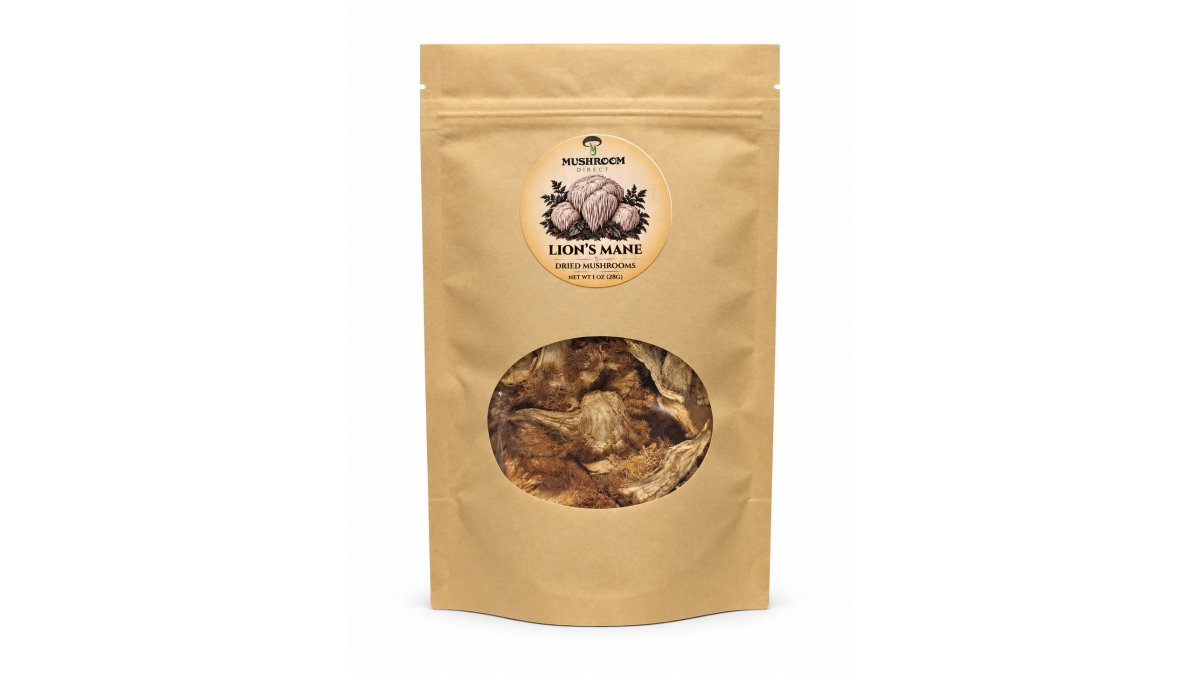
Mushroom Direct also offers dried lion's mane mushrooms if you prefer the convenience of pre-dried product.
How to Tell If Lion's Mane Has Gone Bad
Spotting spoilage early prevents foodborne illness and saves you from cooking with mushrooms that will ruin a dish. Fresh lion's mane should look white or cream-colored with a firm, slightly spongy texture and a mild, earthy smell. Use the checks below in order.
The spoilage checklist
- Smell first. A sour, vinegary, or ammonia-like odor is the clearest sign of bacterial spoilage. If the smell is off, discard without tasting.
- Feel for slime. A wet, slippery, or sticky surface means bacteria have broken down the tissue. Cooking won't reverse it.
- Look for mold. Fuzzy white, green, blue, or black growth is mold. Discard the entire piece, not just the moldy spot, because filaments can extend into the flesh.
- Check color. Dark brown or black patches, especially with softness, indicate decay. Minor edge browning after a week is sometimes normal if the rest is firm and smells fresh.
- Test texture. Mushy, crumbly, or hollow, papery mushrooms have lost quality. Extreme dryness with a brittle texture means they dried out rather than spoiled, but they're no longer good for fresh cooking.
When to discard versus when to trim
Use this decision rule:
- Discard if there is any slime, sour or off odor, visible mold, or widespread discoloration. Cooking will not make these safe.
- Trim and use soon if there is a small dry or browned edge on an otherwise firm, fresh-smelling mushroom. Cut away the affected area and cook the rest within a day.
- Use first if a piece is slightly soft but still smells fresh and has no slime. Softness alone is a quality issue, not necessarily a safety issue, but it won't improve with more storage.
Food-safety guidance
Do not taste a mushroom to check whether it is safe. Spoiled mushrooms can harbor harmful bacteria or molds that cause food poisoning, and cooking does not destroy all toxins or spores that can form. When in doubt, throw it out. Keep raw lion's mane separate from ready-to-eat foods, and wash your hands and cutting board after handling any mushroom you discard.
How storage method changes spoilage risk
Different storage methods fail in different ways, so the spoilage signs depend on how you stored the mushrooms:
- Refrigerator (paper bag): Watch for sliminess and mold, especially if the bag was sealed or the mushrooms sat in a crisper drawer. Check every two to three days.
- Freezer: Freezer burn shows up as dry, white, leathery patches. The mushrooms are still safe but have poorer texture. Thaw in the refrigerator and use within a day; do not refreeze.
- Dried: Dried lion's mane should snap, not bend. If it feels soft or leathery, it absorbed moisture and may mold. Discard any pieces with visible mold or an off odor.
A quick shelf-life reference
- Whole, refrigerated: 7 to 10 days
- Cut, refrigerated: 3 to 5 days
- Frozen: 3 to 6 months at 0°F or below
- Dried: 6 months or longer in an airtight container in a cool, dark place
These ranges assume the mushrooms started fresh and were stored properly. Mushrooms already a few days old when you bought them won't last as long, so mark the date you received or opened them and check against these windows.
Storage Mistakes to Avoid
Most mushroom storage problems come from these common errors:
Storing in sealed plastic containers. Plastic traps moisture and creates a humid microclimate where mold thrives. Use breathable paper bags.
Washing mushrooms before storage. Water speeds decay dramatically. Store them dry and wash only right before cooking.
Stacking cut mushrooms too high. Pressure crushes delicate flesh and forces out moisture.
Storing near ethylene-producing produce. Apples, bananas, and avocados release ethylene gas that accelerates decay. Keep them separate.
Ignoring temperature consistency. Frequent swings cause condensation and spoilage.
Freezing without portioning. One giant frozen mass thaws unevenly and wastes product.
Proper storage is the difference between mushrooms that taste amazing and ones that disappoint.
Ready to experience truly fresh lion's mane? Our Lion's Mane Mushrooms arrive within hours of harvest, giving you maximum shelf life and flavor. With free next-day delivery on featured boxes, you can cook with gourmet mushrooms tomorrow.

Frequently Asked Questions
Should you wash lion's mane before storing it?
No. Wash lion's mane only right before cooking. Moisture accelerates spoilage and promotes mold growth during storage. If your fresh lion's mane has debris or dirt, gently brush it away with a damp cloth or soft brush, then let it air-dry completely before storing. Keeping mushrooms dry before storage is one of the most important steps to extend their shelf life.
How long does fresh lion's mane last in the fridge?
Properly stored fresh lion's mane lasts 7-10 days in the refrigerator at 35-40°F. Store it in a paper bag on a shelf away from moisture-heavy produce. Whole mushrooms last longer than cut pieces. Check for soft spots or dark discoloration every few days. Once you notice any spoilage signs, use the mushroom immediately or discard it.
Can you freeze fresh lion's mane mushrooms?
Yes. Freezing extends lion's mane storage to 3-6 months. Slice or tear the mushrooms into cooking-size pieces, spread them on a cooling rack or baking sheet, and freeze for 2-3 hours until solid. Transfer frozen pieces to a freezer bag, remove as much air as possible, and label with the date. Frozen lion's mane works best in soups, stir-fries, and sautés; the texture becomes softer after thawing, so it's not ideal for grilling or dishes requiring firm texture.
How can you tell if lion's mane has gone bad?
Discard lion's mane if it shows dark brown or black spots, a slimy or wet texture, a sour or ammonia-like smell, or visible mold. Fresh lion's mane is cream-colored or pale yellow and feels dry and firm. If you're unsure, err on the side of caution, spoiled mushrooms can cause food-borne illness. Always inspect your mushrooms before cooking, even if they're within the storage window.