

How to Tell If Mushrooms Are Fresh: A 2026 Guide
Table of Contents
- How to Tell If Mushrooms Are Fresh: The 4-Point Check
- How to Tell If Mushrooms Are Bad: Signs of Spoilage
- How Long Do Mushrooms Last in the Fridge?
- How to Store Fresh Mushrooms So They Last Longer
- When to Throw Out Fresh Mushrooms (and When You Can Still Cook Them)
- Why Source Matters: What Farm-Fresh Mushrooms Look Like
- Conclusion: Trust Your Senses and Know Your Source
- Frequently Asked Questions
Last Updated: October 12, 2026
How to Tell If Mushrooms Are Fresh: The 4-Point Check
Knowing how to tell if mushrooms are fresh comes down to four quick checks: firmness, smell, appearance, and dry texture. Fresh mushrooms should feel dry and springy, smell earthy and mild, and show no slime or dark patches. This guide from Mushroom Direct walks through each check so you can shop and cook with confidence.
Most people rely on the sell-by date alone. That's a mistake. Mushrooms can look fine on the label and still be past their peak.
Here's the good news: your senses are better tools than any sticker. A quick squeeze, a sniff, and a look will tell you almost everything.
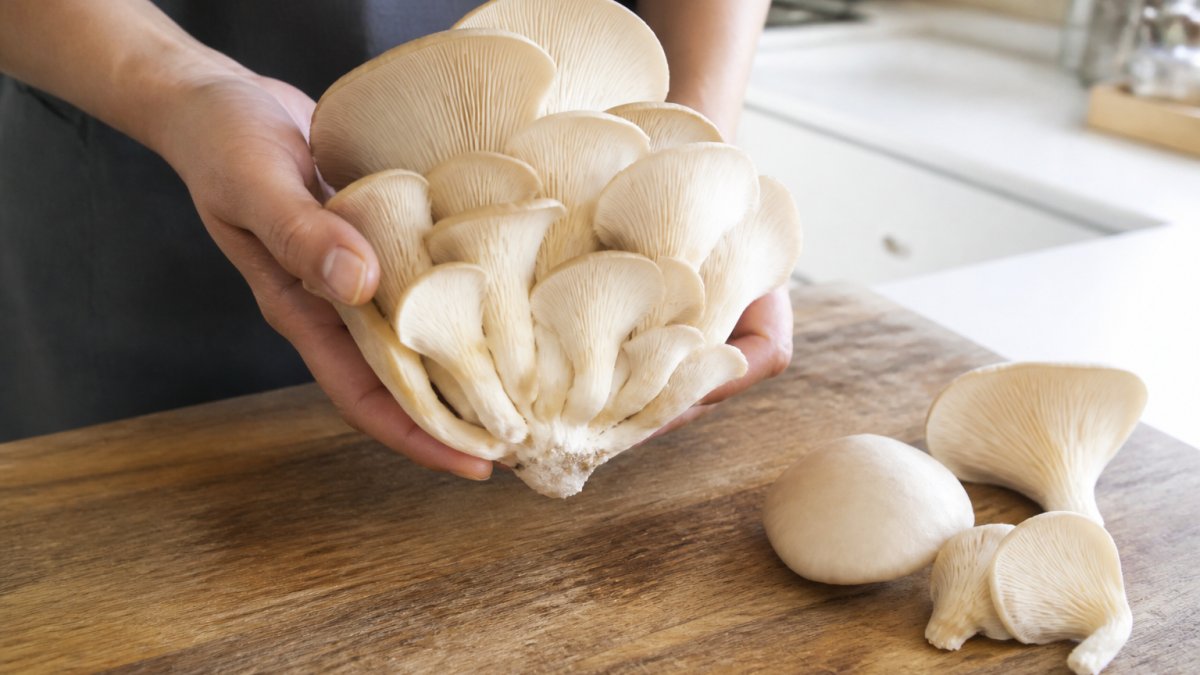
Firmness: The Squeeze Test
Fresh mushrooms feel firm and springy, not soft or spongy. Press a cap gently with your thumb. It should bounce back and hold its shape.
If the cap dents and stays dented, the mushroom is losing moisture and age is setting in. A little give is normal for some varieties. Mushy is not.
Stems tell you a lot too. A fresh stem is sturdy and snaps cleanly. A limp, bendy stem means the mushroom is tired.
Smell: What Fresh Mushrooms Should and Shouldn't Smell Like
Fresh mushrooms smell earthy, mild, and clean. Some varieties carry a faint nutty or woodsy note. That's exactly what you want.
What you don't want is sour, fishy, or ammonia-like smells. Those signals mean bacteria are at work.
A quick tip: smell the container, not just one mushroom. If the whole pack smells off, the whole pack is off.
How to Tell If Mushrooms Are Bad: Signs of Spoilage
You can tell if mushrooms are bad by three clear signs: slime, dark patches, and mold. Any one of these means it's time to act. Spoilage moves fast once it starts, so check before you cook.
Slimy Texture and Dark Patches
Slime is the biggest giveaway. Run your fingers over the cap. If they come away slick or wet, the mushroom is past its prime.
Dark, soggy patches are another red flag. These spots usually start near the gills or the base of the stem. They spread quickly once they appear.
Toss any mushroom that feels slick, looks bruised and wet, or smells sour. Don't try to rinse slime off. It won't come back.
Mold vs. Natural Browning: How to Tell the Difference
Not every brown spot means spoilage. Mushrooms bruise and brown naturally with handling.
Here's how to tell them apart:
- Natural browning: dry, light tan patches on the cap or edges
- Mold: fuzzy or powdery growth, often white, green, or black
- Mold spreads: it creeps outward and sits on the surface
- Bruising stays put: it doesn't grow or fuzz over
If you see fuzz, throw the whole pack out. Mold spores spread fast to nearby mushrooms.
How Long Do Mushrooms Last in the Fridge?
Fresh mushrooms last about 5 to 7 days in the fridge when stored right. Some firm varieties hold up closer to 10 days. Soft varieties like oyster mushrooms tend to go sooner.
Store-bought mushrooms may already be several days old by the time you bring them home. Farm-fresh mushrooms, picked close to delivery, often start with more time on the clock.
That gap matters. A mushroom harvested hours ago simply has more runway than one that sat in a warehouse.
Check them every couple of days. The moment you spot slime or a sour smell, use them or lose them.
How to Store Fresh Mushrooms So They Last Longer
The best way to store fresh mushrooms is in a paper bag in the fridge. Paper breathes, so it lets moisture escape instead of trapping it. Trapped moisture is what turns mushrooms slimy.
Skip the airtight container. Skip the plastic wrap. Mushrooms need airflow, not a seal.
Fresh White Mushrooms – Buy Button Mushrooms Near You | Mushroom Direct →
A few storage rules that make a real difference:
- Keep them whole and unwashed until you cook
- Store in the main fridge compartment, not the crisper drawer
- Keep them away from strong-smelling foods
- Use a paper bag or a breathable container with a loose lid
Wash mushrooms right before cooking, not before storing. A quick rinse and pat-dry is all they need.
The Paper Bag Method vs. Plastic Wrap
The paper bag method wins for everyday storage. It keeps mushrooms dry and firm for days longer than plastic.
| Storage Method | Airflow | Typical Result | Best For |
|---|---|---|---|
| Paper bag | Good | Stays dry, 5-7 days | Everyday fridge storage |
| Plastic wrap | None | Slime forms fast | Not recommended |
| Airtight container | None | Traps moisture | Not recommended |
| Breathable box | Moderate | Good for 4-6 days | Larger batches |
Plastic wrap seals in moisture, and moisture is the enemy. If you must use a container, line it with a paper towel and leave the lid cracked.
When to Throw Out Fresh Mushrooms (and When You Can Still Cook Them)
Throw out fresh mushrooms when they feel slimy, smell sour, or show mold. If none of those signs are present, they're usually still safe to cook.
Small dry brown spots are fine. Trim them off and carry on. A slightly soft cap is also fine for cooked dishes like soups, sauces, and stir-fries.
Here's the simple rule:
- Dry and firm: eat raw or cooked
- Slightly soft, no slime: cook it
- Slimy, sour, or fuzzy: throw it out
Cooking does not fix spoiled mushrooms. Heat kills some bacteria, but it won't remove the toxins they leave behind.
When in doubt, throw it out. No dish is worth the risk.
Why Source Matters: What Farm-Fresh Mushrooms Look Like
Farm-fresh mushrooms look different from supermarket ones. They tend to be firmer, drier, and more evenly colored. The caps are intact, and the smell is clean and earthy.
Time is the reason. The longer a mushroom sits between harvest and your kitchen, the more quality it loses. Supermarket mushrooms often travel through warehouses and sit on shelves for days.
At Mushroom Direct, we grow gourmet and functional mushrooms in Jamaica, Queens, and harvest in small batches. Our mushrooms go from farm to door in hours, with free next-day delivery on featured boxes. That short window is why they arrive firm, dry, and full of flavor.
Our fresh lineup includes Lion's Mane, Blue, Grey, White and Mediterranean Oyster, King Trumpet, and Chestnut mushrooms. We also offer gourmet medley boxes and variety packs for cooks who want to try several kinds at once. If you want mushrooms that taste like they were just picked, that's the difference a short supply chain makes.

Conclusion: Trust Your Senses and Know Your Source
Learning how to tell if mushrooms are fresh comes down to four checks: firmness, smell, appearance, and dry texture. Once you know the signs, you'll never guess again.
Slimy, sour, or fuzzy means toss. Firm, dry, and earthy means cook. That's the whole game.
The other half of freshness is where your mushrooms come from. A short trip from farm to kitchen beats a long one every time.
Freshness is easy to spot once you know what to look for, but it's even easier when your mushrooms were harvested hours ago. Mushroom Direct grows gourmet varieties in Queens and delivers them across New York, with free next-day delivery on featured boxes, small-batch harvests, and a rotating mix of Lion's Mane, King Trumpet, and Oyster mushrooms. Order today and cook with mushrooms that taste as fresh as they look.
USDA food safety and storage guidance FDA guidance on mold and food spoilage USDA FoodData Central on mushroom nutrition
Frequently Asked Questions
How can you tell if mushrooms are fresh?
Fresh mushrooms have a firm, dry surface and a mild, earthy smell. The caps should be intact with no dark, mushy spots, and the gills underneath should look clean. When you press a fresh mushroom, it should feel springy and bounce back, not leave an indentation. If the surface feels slick or the smell is sour or fishy, the mushrooms are past their prime.
Are mushrooms still safe to eat if they feel slimy?
No. A slimy texture is one of the clearest signs that mushrooms have begun to break down, and eating them can make you sick. The sliminess comes from bacteria and moisture buildup, which means the mushroom is already decomposing. Even if you rinse off the slime, the underlying tissue has changed. Throw slimy mushrooms out rather than trying to salvage them.
How long do fresh mushrooms last in the refrigerator?
Most fresh mushrooms last about 5 to 7 days in the fridge when stored properly in a paper bag or a container lined with a paper towel. Varieties like shiitake and oyster tend to hold up for 5 to 7 days, while more delicate mushrooms may soften sooner. Mushrooms delivered directly from a farm, like those from Mushroom Direct, often arrive within hours of harvest, giving you a longer usable window than supermarket stock that has already spent days in transit.
Should you wash mushrooms before storing them?
No. Washing mushrooms before storage adds moisture that speeds up spoilage and makes them slimy faster. Instead, store them dry and brush off any visible dirt with a damp paper towel or a soft mushroom brush right before cooking. If you must rinse them, do it immediately before use and pat them completely dry so they sear properly instead of steaming.